Top Healthcare Safety Practices for All Facilities
Explore essential healthcare safety practices to enhance patient care and facility safety. Stay compliant and informed with our updated guidelines.
Introduction to Healthcare Safety Practices
In healthcare, safety is paramount. Implementing effective healthcare safety practices not only protects patients but also fosters a secure environment for medical staff and visitors. This blog post will explore essential safety protocols every healthcare facility should adopt to ensure the well-being of everyone involved.
1. Prioritizing Staff Training
One of the foundation stones of effective healthcare safety practices is comprehensive staff training. Continuous education on safety protocols allows staff to respond quickly and efficiently during emergencies.
- Regular drills: Conduct simulations for emergencies such as fires, natural disasters, or medical emergencies.
- Updated knowledge: Ensure staff are regularly updated on new safety protocols and best practices.
- Specialized training: Provide training tailored to specific roles, such as handling hazardous materials or patient restraint techniques.
2. Implementing Infection Control Measures
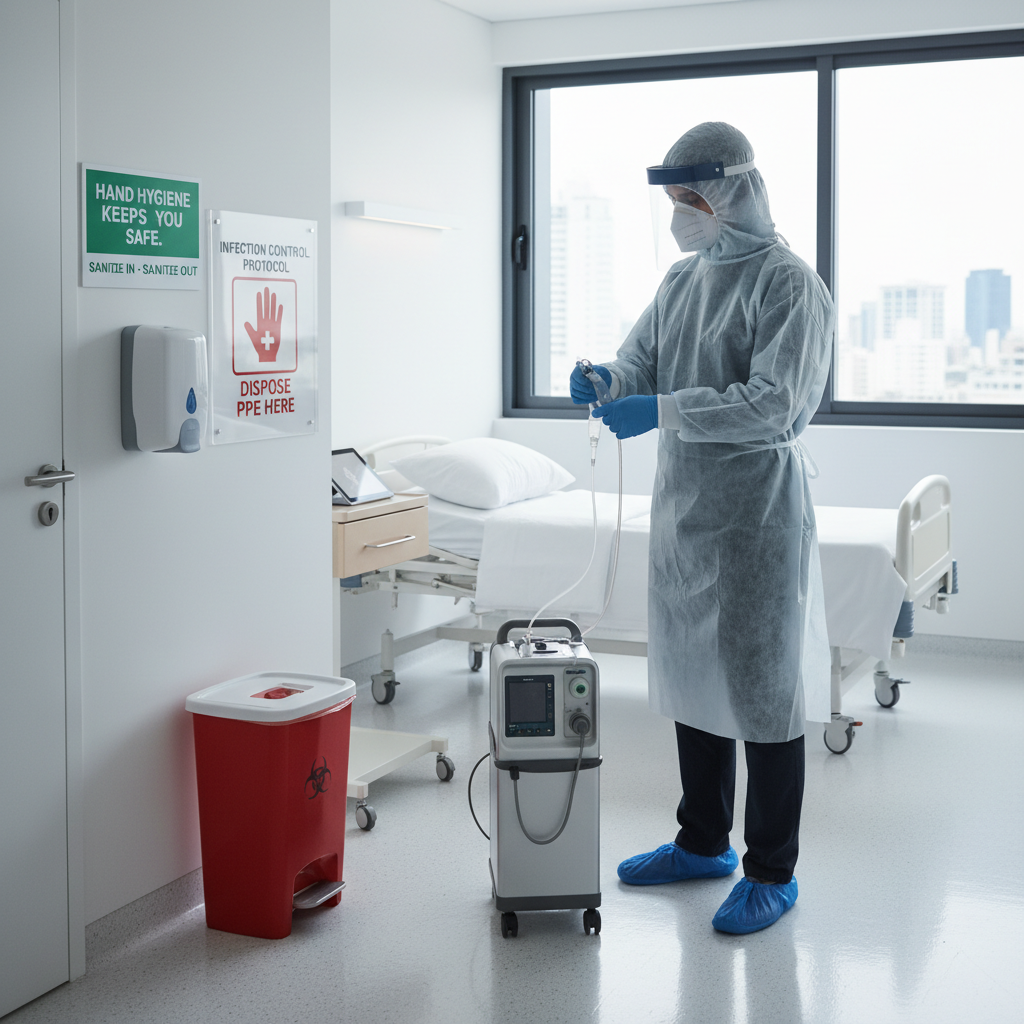
The spread of infections in healthcare settings can be drastically reduced by adhering to strict infection control guidelines. This set of healthcare safety practices is vital for protecting both patients and healthcare workers.
- Hand hygiene: Ensure that all staff members perform hand hygiene before and after patient contact.
- Use of PPE: Equip staff with personal protective equipment (PPE) like gloves, masks, and gowns as needed.
- Proper waste disposal: Follow relevant protocols for the disposal of hazardous waste to prevent infections.
3. Patient Identification Protocols
To prevent medical errors, correct patient identification is crucial. One of the simplest healthcare safety practices is to always confirm patient identity before any treatment.
- Two identifiers: Use at least two patient identifiers, such as name and date of birth.
- Verification technology: Consider employing barcode scanning systems for medications and treatments.
- Patient education: Encourage patients to ask about their treatment regimen to ensure they understand the procedures they will undergo.
4. Effective Communication
Clear communication among healthcare staff, patients, and their families is essential for safety. Health professionals must ensure that important information is shared effectively.
- Hand-off communication: During shift changes, utilize standardized handoff protocols to share crucial patient information.
- Patient involvement: Engage patients in discussions about their care to facilitate better understanding and compliance.
- Language assistance: Provide interpretation services for non-English speaking patients to avoid miscommunication.
5. Regular Safety Audits
Conducting regular safety audits can identify potential hazards and ensure compliance with safety practices. These assessments should measure existing protocols against national standards.
- Routine inspections: Schedule regular inspections of facilities and equipment.
- Surveys: Solicit feedback from staff regarding safety concerns or areas for improvement.
- Reporting systems: Implement systems for reporting near-misses or adverse events to learn from incidents.
Conclusion
Healthcare safety practices are essential in creating a safe environment for patients and staff. By prioritizing training, implementing infection control measures, ensuring accurate patient identification, fostering effective communication, and conducting regular audits, healthcare facilities can significantly improve safety and minimize risks.
Staying informed about evolving best practices is vital in maintaining a culture of safety within healthcare settings. Emphasize the importance of healthcare safety practices in your facility, and prioritize continuous improvement in patient care.
FAQ
-
What are the primary goals of healthcare safety practices?
The primary goals are to protect patients, staff, and visitors from harm, prevent medical errors, and reduce the risk of infections.
-
How often should staff undergo safety training?
Staff should participate in safety training at least annually, with tailored training offered as needed for specific roles or new protocols.
-
What should be included in regular safety audits?
Safety audits should assess facility conditions, adherence to safety protocols, feedback from staff, and identify areas for improvement.
Updated Information
In today's rapidly evolving healthcare landscape, integrating technology into safety practices is paramount. Implementing electronic health records (EHR) and telemedicine not only streamlines patient care but also enhances safety by reducing paperwork errors and improving communication among healthcare providers. Moreover, regular training sessions for staff on the latest safety protocols and technology updates are crucial. Staying informed about emerging risks, such as cybersecurity threats and disease outbreaks, enables facilities to adapt swiftly, ensuring the safety of both patients and personnel.Learn More
Related: Essential Healthcare Safety Checklist for Facilities
Related: Ultimate Guide to Healthcare Safety Compliance
Related: Safety Software for Healthcare
Related: Enhancing Workplace Safety with Scanning Software for Healthcare
Related: compliance tools
Frequently Asked Questions
What are the primary goals of healthcare safety practices?▾
The primary goals are to protect patients, staff, and visitors from harm, prevent medical errors, and reduce the risk of infections.
How often should staff undergo safety training?▾
Staff should participate in safety training at least annually, with tailored training offered as needed for specific roles or new protocols.
What should be included in regular safety audits?▾
Safety audits should assess facility conditions, adherence to safety protocols, feedback from staff, and identify areas for improvement.
Related on ScanHaz
Ready to improve your site safety?
Explore a real example workflow, then sign in to capture and review your own site photos.
Explore the Construction Safety App →