Essential School Safety Checklist for Every School
Discover a comprehensive school safety checklist to ensure a secure learning environment for students and staff. Stay safe with our guide!
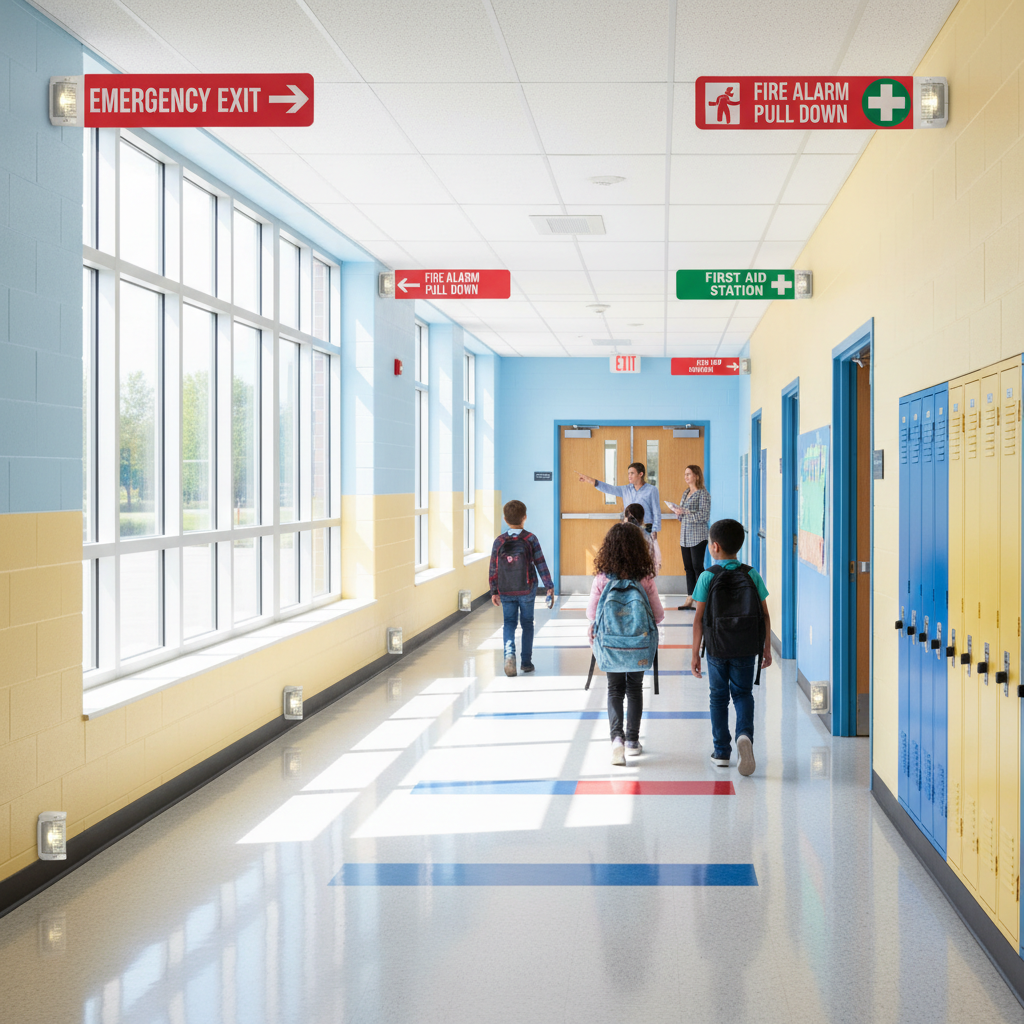
Introduction to School Safety
Ensuring the safety of students and staff in educational institutions is paramount. A well-structured school safety checklist helps identify potential hazards, implement preventative measures, and prepare for emergencies. Below, we delve into a comprehensive school safety checklist designed to enhance the security of any school environment.
Understanding the Importance of a Safety Checklist
A school safety checklist serves multiple purposes. It not only helps school administrators remain vigilant about existing risks but also fosters a culture of safety among students and employees. Regularly reviewing and updating this checklist can significantly reduce the likelihood of accidents and emergencies.
Core Components of a School Safety Checklist
Your school safety checklist should cover several critical areas to adequately safeguard the school community. Here’s a breakdown of essential components:
1. Emergency Preparedness
- Conduct regular fire drills and emergency evacuation drills.
- Ensure emergency contact information is up-to-date and readily accessible.
- Develop clear procedures for handling different types of emergencies (e.g., natural disasters, lockdowns).
2. Physical Environment Safety
- Inspect school facilities for structural integrity and maintenance needs.
- Ensure all safety equipment (like fire extinguishers) is in place and checked regularly.
- Maintain clear evacuation routes and marked exits.
3. Health and Hygiene
- Implement sanitation protocols, particularly in food service and bathrooms.
- Establish a health policy related to illness and injury reporting.
- Ensure access to first aid supplies and trained personnel.
4. Security Measures
- Install security cameras and controlled entry points.
- Conduct background checks on all staff, including volunteers.
- Create a Visitor Management system to track who is on campus.
5. Training and Awareness
- Provide regular safety training for all staff and students.
- Engage community resources for workshops and safety information sessions.
- Promote awareness of personal safety and emergency protocols among students.
Implementing the Checklist in Your School
Once the school safety checklist is created, implementing it requires cooperation from all stakeholders within the educational community. Here’s how to make your checklist work effectively:
- Regular Reviews: Schedule monthly or quarterly reviews of the checklist to ensure it is current and effective.
- Involvement: Involve teachers, students, and parents in discussions about safety to gather diverse perspectives.
- Feedback: Encourage feedback after drills and safety assessments to improve procedures and experiences.
Staying Compliant with Safety Regulations
Utilizing your school safety checklist not only helps in ensuring the safety of students and staff but also aids in complying with local and national safety regulations. Understanding relevant legislation can further guide enhancements needed in your safety measures. For further information on compliance, visit our compliance page.
Conclusion
Having an effective school safety checklist is a crucial tool for fostering a safe educational environment. By prioritizing safety through regular assessments and involving the entire school community, you can create a proactive culture of safety that protects everyone. For more resources or guidance, feel free to explore our templates on school safety practices.
Frequently Asked Questions
1. How often should I review the school safety checklist?
It is recommended to review the checklist at least once a semester, or more frequently if there have been changes in school policies, staff, or facilities.
2. Who should be responsible for implementing and overseeing the safety checklist?
Typically, the school administrator, safety officer, or a designated safety committee should oversee the implementation of the checklist, but all staff should be informed and involved.
3. What should I do if I identify a safety issue on the checklist?
If you find a safety concern, report it to the appropriate authority, such as the principal or safety officer, for immediate evaluation and action.
4. Are there resources available to help create a school safety checklist?
Yes, various organizations and educational resources provide templates and guidelines. You can also visit our dashboard for further assistance and tools.
Frequently Asked Questions
How often should I review the school safety checklist?▾
It is recommended to review the checklist at least once a semester, or more frequently if there have been changes in school policies, staff, or facilities.
Who should be responsible for implementing and overseeing the safety checklist?▾
Typically, the school administrator, safety officer, or a designated safety committee should oversee the implementation of the checklist, but all staff should be informed and involved.
What should I do if I identify a safety issue on the checklist?▾
If you find a safety concern, report it to the appropriate authority, such as the principal or safety officer, for immediate evaluation and action.
Are there resources available to help create a school safety checklist?▾
Yes, various organizations and educational resources provide templates and guidelines. You can also visit our dashboard for further assistance and tools.
Related on ScanHaz
Ready to improve your site safety?
Explore a real example workflow, then sign in to capture and review your own site photos.
Explore the Construction Safety App →