Essential School Safety Training Programs Explained
Explore effective school safety training programs and their importance in ensuring safety within educational institutions.
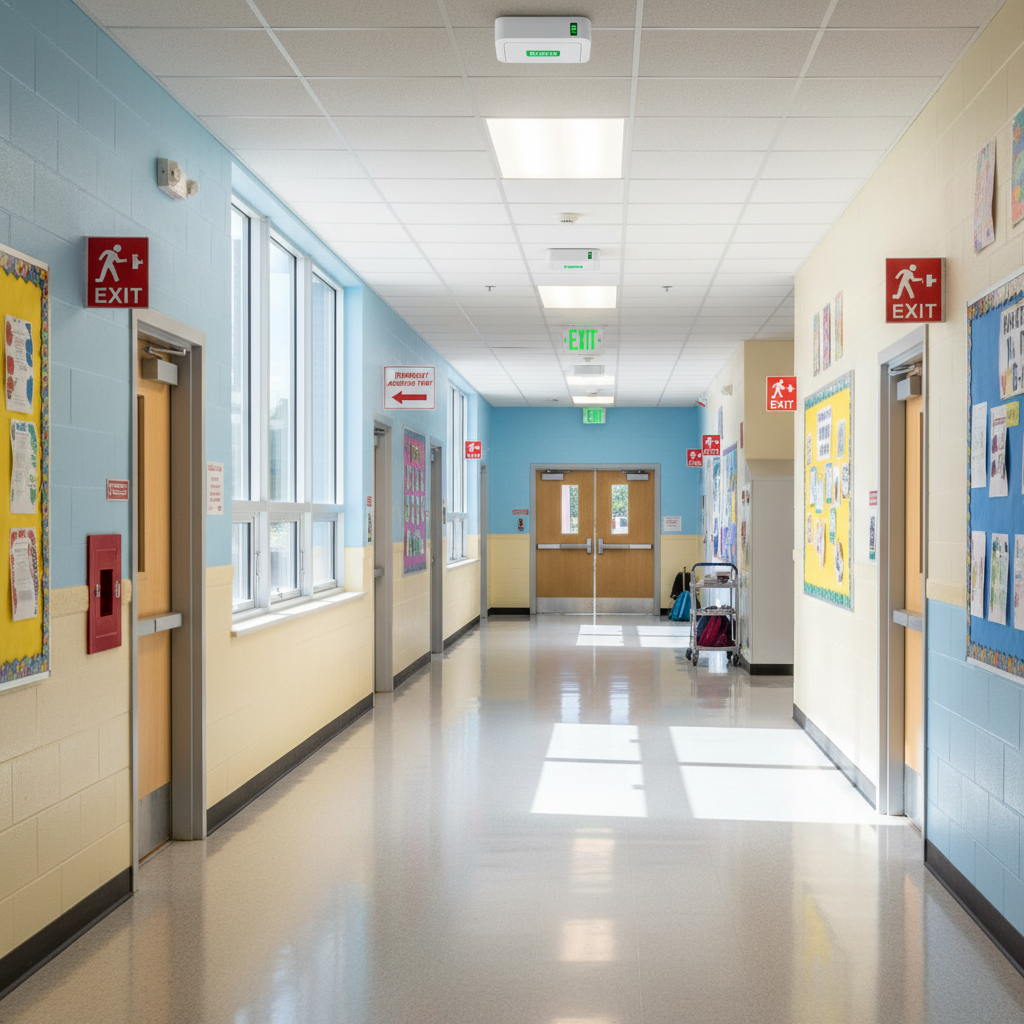
Introduction to School Safety Training Programs
In an ever-evolving world, the safety of students and staff in educational institutions has become a top priority. School safety training programs are crucial in empowering educators, administrators, and students to respond effectively to potential emergencies. This blog post delves into the significance, components, and examples of effective school safety training programs.
Why School Safety Training is Important
School environments are meant to be safe havens for learning and personal growth. However, incidents such as natural disasters, fire emergencies, and security threats necessitate proper training to ensure the safety of everyone involved. Here are a few compelling reasons why these programs are invaluable:
- Preparedness: Training equips staff and students with the knowledge to handle various emergency scenarios, reducing panic and chaos during actual incidents.
- Confidence: Understanding safety protocols instills confidence among students and staff, ensuring they know how to act when danger arises.
- Compliance: Many regions have laws and regulations mandating safety training in schools, making it a legal as well as a moral obligation.
- Community Assurance: Parents and guardians feel more secure when they know that their children’s school is committed to safety and preparedness.
Components of Effective School Safety Training Programs
An effective safety training program should cover a range of topics to ensure comprehensive preparedness. Here are key components to include:
- Emergency Protocols: Teaching staff and students about evacuation routes, emergency contact numbers, and local emergency services.
- First-Aid Training: Providing knowledge on basic first-aid techniques to handle injuries until professional help arrives.
- Active Shooter Drills: Conducting drills and discussions around responding to active shooter situations to mitigate chaos during real scenarios.
- Fire Safety Training: Regular fire drills and training on the use of fire extinguishers and other firefighting equipment.
- Bullying Prevention: Programs that focus on identifying and preventing bullying can enhance overall school safety by promoting a positive environment.
Implementing School Safety Training Programs
Implementing a successful safety program requires careful planning and consideration:
- Conduct a Risk Assessment: Identify specific risks relevant to your school environment.
- Engage Stakeholders: Involve teachers, parents, and local law enforcement in program development.
- Choose Effective Training Methods: Utilize a mix of workshops, simulations, and online training resources to cater to different learning styles.
- Regularly Update Training: Safety protocols and regulations change; ensure your program remains relevant through regular updates.
- Evaluate and Improve: After drills or emergencies, conduct evaluations to refine and enhance the programs.
Case Studies: Successful School Safety Programs
Several schools across the country have successfully implemented safety training programs that serve as models for others. Below are a few noteworthy cases:
- Example High School: This institution implemented a comprehensive training program, including regular simulations and workshops. As a result, staff reported increased confidence in emergency response.
- Safe Haven Academy: By integrating parents into the safety protocol design, they created a community focus that enhanced awareness and preparedness on all fronts.
- Greenwood Middle School: This school revamped its training program with the help of local law enforcement to prepare for specific local threats, leading to a remarkable drop in response times during drills.
Conclusion
School safety training programs are essential in creating a secure environment for students and teachers alike. By investing in effective training, educational institutions not only comply with regulations but also foster a sense of safety and confidence within their communities. Remember, preparedness is an ongoing journey that requires continuous effort and attention.
Frequently Asked Questions
What are the key components of a school safety training program?
A comprehensive program should include emergency protocols, first-aid training, active shooter drills, fire safety training, and bullying prevention strategies.
How often should safety training be conducted?
Safety training should be held regularly, ideally on a yearly basis, with additional refresher courses and drills conducted every term to ensure retention of knowledge.
Can parents be involved in school safety training?
Absolutely! Engaging parents can enhance the community’s overall safety awareness and support systems in place for students.
What should I do if an emergency occurs at school?
If you find yourself in an emergency, follow the training protocols provided during your safety program, remain calm, and assist others as able while contacting emergency services.
Useful Internal Resources
- Rapid Safety Scans - Explore how quick assessments can enhance your safety protocols.
- Compliance Guidelines - Learn about the regulations surrounding safety training in schools.
- Safety Plan Templates - Access customizable templates to streamline your safety training programs.
Frequently Asked Questions
What are the key components of a school safety training program?▾
A comprehensive program should include emergency protocols, first-aid training, active shooter drills, fire safety training, and bullying prevention strategies.
How often should safety training be conducted?▾
Safety training should be held regularly, ideally on a yearly basis, with additional refresher courses and drills conducted every term to ensure retention of knowledge.
Can parents be involved in school safety training?▾
Absolutely! Engaging parents can enhance the community’s overall safety awareness and support systems in place for students.
What should I do if an emergency occurs at school?▾
If you find yourself in an emergency, follow the training protocols provided during your safety program, remain calm, and assist others as able while contacting emergency services.
Related on ScanHaz
Ready to improve your site safety?
Explore a real example workflow, then sign in to capture and review your own site photos.
Explore the Construction Safety App →