Emergency Preparedness in Construction: A Safety Guide
Discover essential emergency preparedness strategies for construction sites to enhance safety and compliance. Stay prepared!
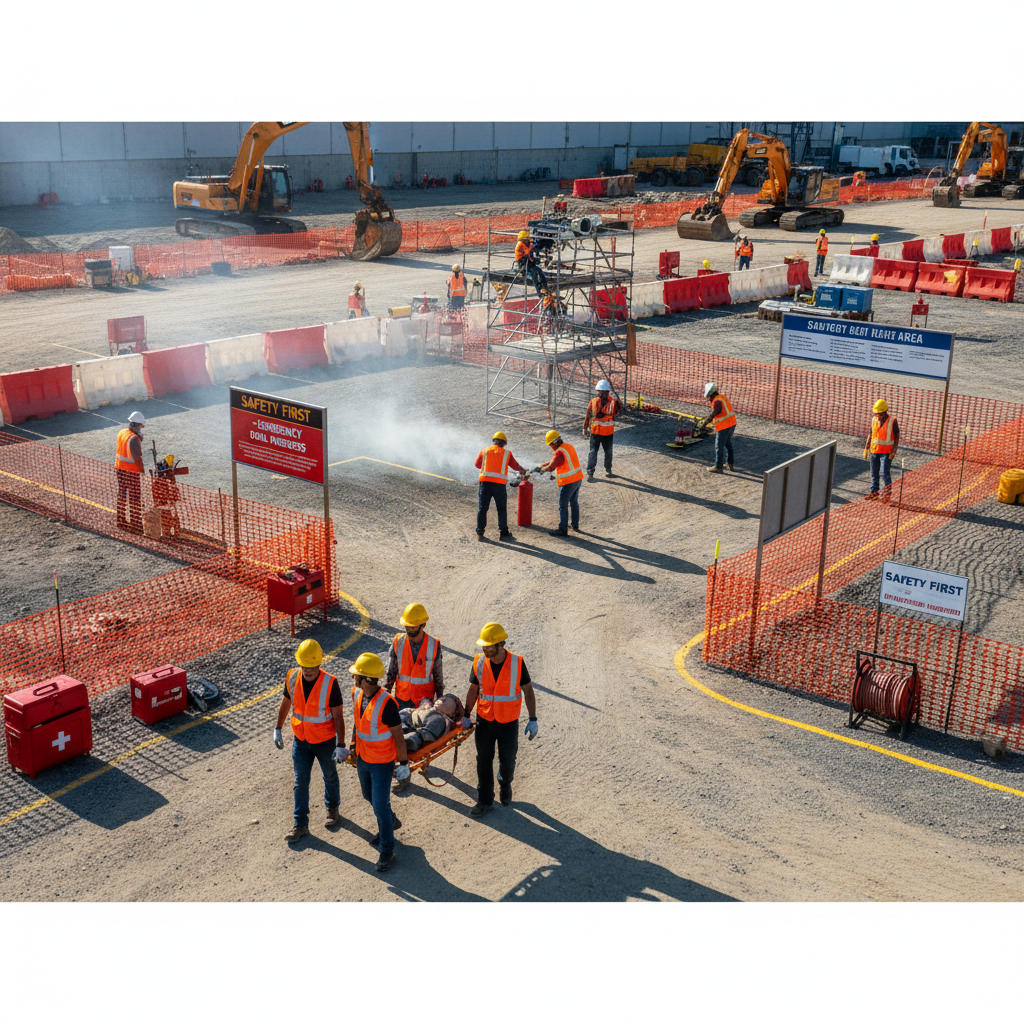
Understanding Emergency Preparedness in Construction
Emergency preparedness in construction is not just a regulatory requirement; it is a vital strategy for ensuring the safety of workers on site. In an industry characterized by physical risk, knowing how to respond to emergencies can save lives and minimize injuries. This blog post will guide you through key elements of emergency preparedness specific to construction workplaces.
The Importance of Emergency Preparedness
Construction sites are fraught with potential hazards, ranging from falls and equipment failures to fires and adverse weather conditions. Emergencies can arise unexpectedly, making preparedness crucial. Effective emergency preparedness can:
- Reduce the severity of injuries by enabling quick and appropriate responses.
- Enhance compliance with local and national safety regulations.
- Decrease downtime and associated costs brought about by accidents.
- Cultivate a culture of safety among all workers.
Key Components of an Emergency Preparedness Plan
A robust emergency preparedness plan is essential for any construction site. Here are the core components to include:
1. Risk Assessment
Conducting a thorough risk assessment can help identify potential emergency situations. This involves:
- Identifying Hazards: Consider physical, chemical, and environmental risks specific to your site.
- Evaluating Risks: Assess the likelihood and impact of identified hazards.
- Prioritizing Risks: Focus on high-risk situations that require immediate attention.
2. Emergency Response Procedures
Establish clear procedures for responding to various types of emergencies. Include:
- Evacuation Plans: Designate safe evacuation routes and assembly points.
- Fire Safety Protocols: Develop specific strategies for fire emergencies, including the use of fire extinguishers and alarms.
- Medical Response: Ensure that first aid kits are accessible and that personnel are trained on how to use them.
3. Communication Plan
Effective communication during an emergency can save lives. Your plan should include:
- Emergency Contacts: A list of important contacts, including emergency services, management, and medical personnel.
- Alert Systems: Use alarms, radios, or mobile apps to relay information to the entire workforce.
4. Training and Drills
Regular training sessions and drills can ensure that all team members know how to act in an emergency. Key points to cover:
- Regular Safety Meetings: Discuss emergency protocols and updates frequently.
- Mock Drills: Conduct drills to practice evacuations and medical response scenarios.
5. Continuous Review and Improvement
Emergency preparedness is not a one-time task. Regularly review and update your plan based on:
- New risks identified on site.
- Feedback from drills and actual emergencies.
- Changes in regulations or technology.
Additional Safety Tips for Construction Sites
To bolster your emergency preparedness efforts, consider the following tips:
- Equipment Maintenance: Regularly check equipment and ensure it is in good working order to prevent malfunctions.
- Personal Protective Equipment (PPE): Ensure that all workers are equipped with appropriate PPE, such as helmets, gloves, and safety goggles.
- Engage Workers: Foster an environment where all employees feel responsible for safety, encouraging them to report hazards.
Frequently Asked Questions (FAQ)
What should I include in an emergency kit for construction?
Your emergency kit should include first aid supplies, necessary medications, flashlights, batteries, a whistle, and any other essential items tailored to the specific risks of your construction site.
How often should emergency drills be conducted?
It's recommended to conduct emergency drills at least twice a year. However, after any major incident or change in operations, a drill should be held to assess responses to the new situation.
Who is responsible for emergency preparedness on a construction site?
Emergency preparedness is a collective responsibility. However, specific roles should be assigned, including a designated safety officer to oversee the implementation of the emergency plan.
Where can I find more resources on safety compliance?
Visit ScanHaz for detailed insights and tools, including our resources on safety compliance and emergency response templates.
Conclusion
Implementing comprehensive emergency preparedness strategies in construction is vital for ensuring worker safety and compliance with regulations. By taking proactive steps, you’re not only safeguarding your team but also reinforcing a culture of safety throughout the site.
Related Reading
Frequently Asked Questions
What should I include in an emergency kit for construction?▾
Your emergency kit should include first aid supplies, necessary medications, flashlights, batteries, a whistle, and any other essential items tailored to the specific risks of your construction site.
How often should emergency drills be conducted?▾
It's recommended to conduct emergency drills at least twice a year. However, after any major incident or change in operations, a drill should be held to assess responses to the new situation.
Who is responsible for emergency preparedness on a construction site?▾
Emergency preparedness is a collective responsibility. However, specific roles should be assigned, including a designated safety officer to oversee the implementation of the emergency plan.
Where can I find more resources on safety compliance?▾
Visit ScanHaz for detailed insights and tools, including our resources on safety compliance and emergency response templates.
Related on ScanHaz
Ready to improve your site safety?
Explore a real example workflow, then sign in to capture and review your own site photos.
Explore the Construction Safety App →