Essential Manufacturing Safety Tips Every Workplace Needs
Discover essential manufacturing safety tips to safeguard your workplace. Implement these practices for a secure and compliant environment.
Key Takeaways
- Prioritize employee training to ensure safety awareness.
- Conduct regular safety audits for compliance and hazard detection.
- Implement personal protective equipment (PPE) protocols.
Introduction
In the ever-evolving landscape of manufacturing, prioritizing safety is not just a regulatory requirement; it is the cornerstone of operational success. Implementing effective manufacturing safety tips not only protects your workforce but also enhances productivity and morale. With the right practices in place, you can create a safer workplace that minimizes risks and is conducive to efficient production.
1. Employee Training and Awareness
Importance of Training
One of the most crucial manufacturing safety tips involves comprehensive training for all employees. Proper training ensures that everyone understands the hazards associated with their tasks and how to mitigate them. Here are some key elements to cover:
- Safety Protocols: Ensure that workers are well-versed in safety protocols specific to their roles.
- Emergency Procedures: Train staff on how to respond in emergencies, including evacuation and first aid.
- Equipment Handling: Provide hands-on guidance on safely operating machinery.
Ongoing Education
Safety training should not be a one-time event. Regular refresher courses and updates on safety regulations are essential to keep everyone informed and prepared.
2. Conduct Regular Safety Audits
Regular safety audits are an invaluable tool for identifying potential hazards and ensuring compliance with industry standards. These audits help in maintaining a safe workplace environment. Here are some aspects to consider:
- Visual Inspections: Look for physical hazards in the workplace, like spills or unguarded machinery.
- Documentation Review: Ensure safety records and incident reports are up-to-date.
- Employee Feedback: Involve employees in the audit process to gather insights and suggestions.
3. Personal Protective Equipment (PPE)
PPE Protocols
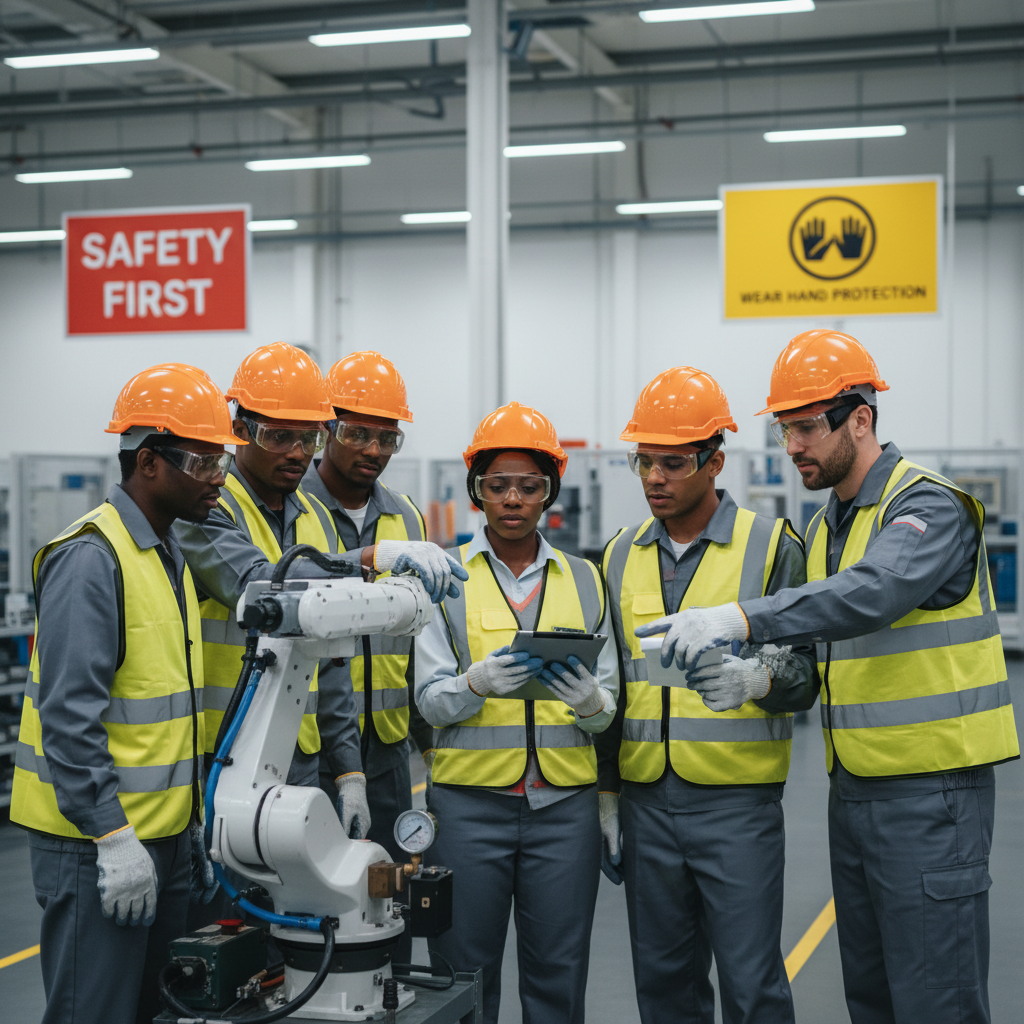
Implementing a strict PPE protocol is essential in manufacturing environments. Depending on the nature of your work, this could include:
- Hard Hats: Protect against head injuries.
- Gloves: Use suitable gloves to prevent hand injuries.
- Safety Glasses: Protect eyes from hazardous materials and flying debris.
Enforcement and Compliance
It is not enough to provide PPE; enforcement is key. Establish clear rules about when and where PPE must be worn, and conduct regular checks to ensure compliance.
4. Machinery Safety and Maintenance
Another vital aspect of manufacturing safety tips is the proper handling and maintenance of machinery. Follow these steps to protect your employees:
- Routine Checks: Schedule consistent maintenance checks to keep machines running safely.
- Lockout/Tagout (LOTO) Procedures: Implement LOTO to prevent machinery from being accidentally energized during servicing.
- Training on Machinery: Ensure employees are adequately trained on the specific machinery they operate.
5. Ergonomics and Workstation Safety
Addressing ergonomics in the manufacturing environment is critical. Poor workstation design can lead to long-term injuries. Here’s how to create a safer workspace:
- Adjust Workstations: Ensure that workstations are designed to reduce strain on the body. Consider adjustable tables and seating.
- Breaks and Rotation: Schedule regular breaks and rotate job tasks to reduce repetitive strain injuries.
- Monitor Work Processes: Regularly assess work processes for ergonomic safety.
6. Emergency Preparedness and Response
Your manufacturing facility must be prepared for emergencies. Develop a comprehensive plan that includes:
- Emergency Drills: Conduct regular drills to familiarize employees with evacuation routes and emergency protocols.
- First Aid Training: Provide first aid training for key employees.
- Emergency Contacts: Keep a clear communication line with local emergency services.
Conclusion
By implementing these essential manufacturing safety tips, you can significantly enhance the safety of your workplace. Remember, safety is a shared responsibility that requires ongoing commitment from all employees. To further empower your safety initiatives, consider utilizing ScanHaz, an AI-powered workplace safety scanning tool designed to identify and mitigate risks in real-time.
FAQs
What are the key components of workplace safety in manufacturing?
Key components include employee training, personal protective equipment (PPE), regular maintenance of machinery, workplace ergonomics, and emergency preparedness. Each element works synergistically to create a safe environment.
How can technology improve manufacturing safety?
Technology enhances safety through real-time monitoring, automated safety checks, and data analysis to predict and prevent accidents. Tools like ScanHaz offer AI-powered insights for identifying hazards before they lead to incidents.
Why is personal protective equipment (PPE) important?
PPE protects employees from various workplace hazards like chemical spills, flying debris, and machinery injuries. Proper use of PPE is essential to minimize injury risks and ensure compliance with safety regulations.
How often should safety audits be conducted?
Safety audits should be conducted regularly, with some organizations opting for monthly or quarterly checks. The frequency depends on the type of operations and any recent incidents.
What training is necessary for manufacturing safety?
Necessary training includes safe equipment operation, emergency response procedures, regular safety protocol updates, and ergonomics training. Continuous education is crucial for maintaining a safe workplace.
Related Reading
Frequently Asked Questions
What are the key components of workplace safety in manufacturing?▾
Key components include employee training, personal protective equipment (PPE), regular maintenance of machinery, workplace ergonomics, and emergency preparedness. Each element works synergistically to create a safe environment.
How can technology improve manufacturing safety?▾
Technology enhances safety through real-time monitoring, automated safety checks, and data analysis to predict and prevent accidents. Tools like ScanHaz offer AI-powered insights for identifying hazards before they lead to incidents.
Why is personal protective equipment (PPE) important?▾
PPE protects employees from various workplace hazards like chemical spills, flying debris, and machinery injuries. Proper use of PPE is essential to minimize injury risks and ensure compliance with safety regulations.
How often should safety audits be conducted?▾
Safety audits should be conducted regularly, with some organizations opting for monthly or quarterly checks. The frequency depends on the type of operations and any recent incidents.
What training is necessary for manufacturing safety?▾
Necessary training includes safe equipment operation, emergency response procedures, regular safety protocol updates, and ergonomics training. Continuous education is crucial for maintaining a safe workplace.
Related on ScanHaz
Ready to improve your site safety?
Explore a real example workflow, then sign in to capture and review your own site photos.
Explore the Construction Safety App →