Essential Manufacturing Safety Practices for a Safer Workplace
Discover key manufacturing safety practices to enhance workplace safety, reduce accidents, and ensure compliance in your facility.
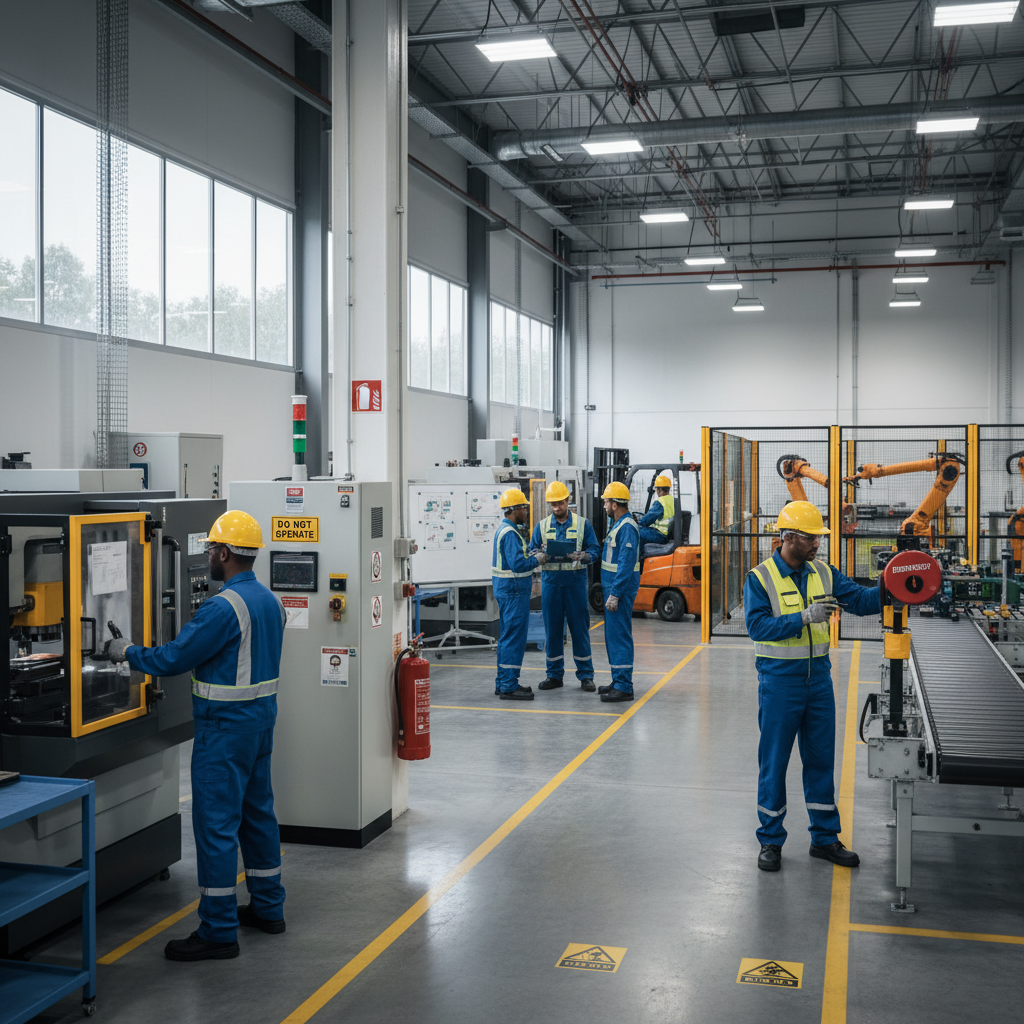
Understanding Manufacturing Safety Practices
In the fast-paced world of manufacturing, safety is paramount. With the potential risks that come from machinery, hazardous materials, and human error, implementing robust manufacturing safety practices is not only a regulatory requirement but also a moral obligation. Companies are mandated to adhere to safety standards set by organizations such as OSHA (Occupational Safety and Health Administration) and ANSI (American National Standards Institute). In this article, we will explore essential safety practices, industry challenges, and how ScanHaz can help you navigate these complex safety landscapes.
Key Challenges in Manufacturing Safety
Manufacturers face unique challenges that can jeopardize workplace safety, including:
- Equipment Hazards: Machinery can pose significant risks, from moving parts that can cause injuries to electrical hazards.
- Chemical Exposure: Many manufacturing processes involve harmful substances, requiring proper handling and storage to avoid accidents.
- Human Error: Inadequate training and lack of safety awareness can lead to mistakes that jeopardize safety.
- Regulatory Compliance: Staying compliant with evolving safety regulations can be overwhelming for manufacturers.
Essential Manufacturing Safety Practices
Implementing effective safety practices involves a multi-faceted approach. Here are several best practices to ensure a safer manufacturing environment:
1. Conduct Regular Safety Training
Regular safety training sessions for employees are crucial. This ensures that staff know the potential risks in their workplace and the proper protocols to mitigate them. Training should cover:
- Emergency procedures
- Proper machine handling techniques
- Use of personal protective equipment (PPE)
2. Implement a Safety Management System
A comprehensive safety management system can streamline safety processes. This system should:
- Track incidents and near misses to identify trends
- Facilitate regular safety audits
- Ensure compliance with OSHA and other local regulations
3. Make Use of Technology
Leveraging technology can significantly improve safety in manufacturing. Solutions like ScanHaz provide smart monitoring tools that help in tracking environmental hazards. For instance, with real-time data about air quality and chemical exposure, you can proactively address issues before they escalate.
4. Maintain Equipment Vigilantly
Regular maintenance of machinery can prevent malfunctions that lead to injuries. A routine check-up schedule should involve:
- Inspection of machinery and tools
- Replacing worn-out parts promptly
- Documentation of maintenance activities
5. Foster a Safety Culture
Creating a culture of safety where employees feel empowered to report unsafe practices can lead to a more secure workplace. Encouragement from management to prioritize safety will foster an atmosphere where every team member is vigilant about potential hazards.
Local Regulations and Compliance Standards
Manufacturers must adhere to local or industry-specific regulations such as:
- OSHA Standards: Complying with regulations set forth by OSHA is crucial for maintaining a safe work environment.
- State-Specific Regulations: Different states may have additional mandates, so it’s essential to stay informed about local laws.
- Industry Certifications: Acquiring certifications like ISO 45001 for occupational safety can enhance compliance efforts.
Conclusion
Manufacturing safety practices are integral not only for compliance but also for ensuring the well-being of your employees. By adopting these practices, fostering a safety culture, and leveraging innovative solutions like ScanHaz, manufacturers can create a safer and more productive work environment.
FAQs
- What are some common safety hazards in manufacturing? Common hazards include machinery accidents, chemical spills, and ergonomic injuries.
- How often should I hold safety training for manufacturing staff? Regular training sessions at least quarterly are recommended, with additional training for new equipment or procedures.
- What role does technology play in improving manufacturing safety? Technology like monitoring tools can provide real-time data to identify hazards and ensure compliance.
Updated Information
Implementing robust manufacturing safety practices is crucial for creating a safer workplace environment. These practices not only protect employees but also boost productivity and morale. Regular training sessions on safety procedures and the use of personal protective equipment (PPE) are fundamental. Conducting routine safety audits and addressing potential hazards proactively can prevent accidents before they happen. Additionally, fostering a culture of safety where employees feel empowered to report unsafe conditions will further enhance workplace safety and compliance with regulations.Learn More
Related: Essential Manufacturing Safety Tips Every Workplace Needs
Related: Essential Safety Checklist for Manufacturing Plants
Related: Essential Workplace Safety Training Programs
Related: initiate a safety scan
Related: explore our compliance tools
Frequently Asked Questions
What are some common safety hazards in manufacturing?▾
Common hazards include machinery accidents, chemical spills, and ergonomic injuries.
How often should I hold safety training for manufacturing staff?▾
Regular training sessions at least quarterly are recommended, with additional training for new equipment or procedures.
What role does technology play in improving manufacturing safety?▾
Technology like monitoring tools can provide real-time data to identify hazards and ensure compliance.
Related on ScanHaz
Ready to improve your site safety?
Explore a real example workflow, then sign in to capture and review your own site photos.
Explore the Construction Safety App →